2025 TRIP Rider Survey Results
Executive Summary
In January 2025, 459 active TRIP Riverside County service users were sent the Annual TRIP Rider Survey and asked to return it with their February mileage reimbursement request. A total of 276 surveys were completed and returned. The 60% response rate is consistent with previous annual surveys, and we believe it reflects the importance of TRIP services in the lives of participating riders.
This report summarizes key findings from both closed- and open-ended questions, highlighting rider demographics, service satisfaction, financial and health impacts, and the overall significance of TRIP to rider well-being.
Demographics
More than 80% of respondents were older than 61, with more than 74% identifying as female. The majority (70%) reported living alone and nearly 94% have household incomes of less than $30,000.
Financial Stress and Healthcare Use
More than 60% of respondents reported experiencing financial stress often. Many riders rely on TRIP for frequent healthcare-related travel, with nearly half reporting five or more TRIP-supported trips per month.
Financial stress
Trips per month
Impact on Health and Quality of Life
Respondents widely reported improvements in both physical and mental health as a result of TRIP services. Nearly all participants identified access to transportation as critical to their overall quality of life.
Health impacts
Quality of life impacts
Satisfaction with TRIP
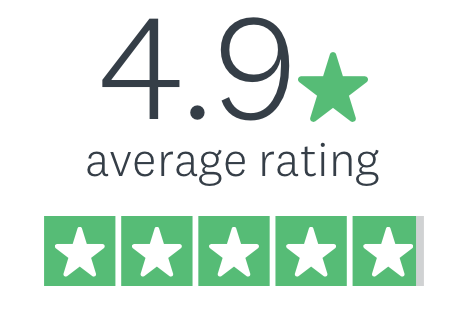
94% of respondents gave TRIP the highest satisfaction rating. Riders consistently described the program as reliable, supportive, and essential to maintaining independence and stability in their daily lives
Benefits of TRIP
Riders reported numerous benefits associated with TRIP services, including reduced stress, improved health outcomes, greater happiness, and stronger connections to family, friends, and the broader community.
Rider Testimonials
Riders were asked how losing access to TRIP would affect their lives. Selected responses include:
“It would be very hard and difficult to get around.”
“My health would decline completely I wouldn't be able to seek medical attention as needed.”
“I would be a shut in and never be able to see my grandchildren.”
“It would be harder for my life because I wouldn't be able to get to all the places easily.”
“My life would be so difficult in the absence of the peace of mind TRIP brings for me. Being a dependable person, which requires help, such stress would significantly affect my life, my emotional and mental health by having terrible worry of feeling an uncertainty for any transportation necessity or any sudden emergency. If TRIP was no longer available for me, I wouldn’t feel safe.”
“I would not be able to make appointments without TRIP. I would not be able to visit family or friends. Be able to go to the store and pick up meds. Thanks for increasing my life.”
“I would be homebound and have no social life.”
“I would not be able to get to my chemotherapy.”
“I would feel disconnected from the world.”
“I would be stuck at home or having to pay for transportation which would be extremely hard on me financially, I am on a fixed income.
Conclusion
TRIP is more than a transportation service—it is a lifeline. For many riders, particularly seniors and individuals living on limited incomes, TRIP enables access to essential healthcare, reduces isolation, and plays a vital role in maintaining independence and quality of life.